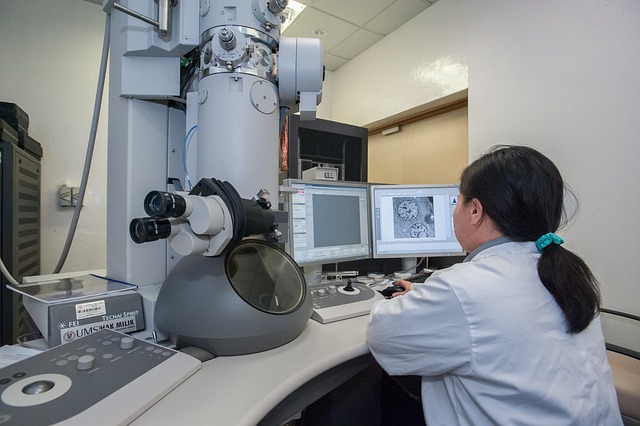
East Lansing's academic community offers robust lab opportunities for high school students, particularly in microbiology internships. Students can find part-time positions through online job boards, career fairs, and local partnerships with universities and research institutions. Crafting compelling resumes and cover letters highlighting relevant skills increases the chance of securing desired lab work. The region boasts genetics testing facilities and bioengineering labs offering internships, while Michigan State University's SRIP provides high-level collaboration. Local biotechnology companies collaborate with schools for shadowing programs, and MLT schools enhance opportunities, making Lansing-East Lansing an ideal place to gain practical lab experience in diverse scientific disciplines.
High school students seeking hands-on laboratory experience are the future scientists, engineers, and researchers. Access to quality lab work is essential for cultivating their curiosity, refining critical thinking skills, and laying a solid foundation for post-secondary education and careers in STEM fields. However, finding suitable lab opportunities can be challenging, especially in areas like Lansing-East Lansing where options may seem limited. This article provides a comprehensive guide on how students can naturally discover and secure valuable lab work experiences, empowering them to thrive academically and professionally.
- Explore Local Opportunities for Lab Experience
- Prepare Your Resume and Cover Letter Effectively
- Reach Out to Schools and Community Labs in Lansing-East Lansing
- Gain Practical Skills Through Hands-On Work
Explore Local Opportunities for Lab Experience

For high school students seeking valuable lab experience, exploring local opportunities can be a game-changer. East Lansing, known for its vibrant academic community, offers numerous avenues for gaining hands-on knowledge in various scientific fields. One particularly rich resource is the abundance of microbiology internships available in and around East Lansing. These internships provide an immersive introduction to the world of medical laboratories and can open doors to exciting careers in healthcare.
Students interested in lab work should consider the distinction between medical lab technician and technologist roles. Technicians perform routine tests and maintain laboratory equipment, while technologists often specialize in specific areas, such as microbiology or chemistry, and may be involved in more complex procedures. East Lansing’s local labs, including those affiliated with hospitals and research institutions, frequently hire both types of professionals. Exploring these positions can help students gain a clearer understanding of their interests and aptitudes.
To find lab work naturally, students should start by reaching out to science teachers or school counselors who can offer guidance on available programs and partnerships with local labs. They can also peruse online job boards and career websites specifically tailored for teens seeking part-time positions in East Lansing. For instance, data from the U.S. Bureau of Labor Statistics shows that medical laboratory technicians in Michigan enjoy a strong job market. Additionally, attending local career fairs and networking events can foster connections with industry professionals, potentially leading to summer internships or part-time lab technician positions in East Lansing.
Prepare Your Resume and Cover Letter Effectively

For high school students eager to gain lab experience, crafting a standout resume and cover letter is a crucial first step. This process involves more than just detailing academic achievements; it requires strategic presentation of skills, experiences, and passions relevant to the field you’re targeting. When aiming for lab work in Lansing-East Lansing or exploring pharmaceutical research labs open to students, your application materials can be the key to unlocking opportunities.
In this competitive landscape, where pharmaceutical companies hiring labs are increasingly selective, a well-crafted resume should highlight specific skills gained through extracurriculars, volunteer work, or personal projects related to science. For instance, if you’ve participated in school science fairs or clinical trials participation East Lansing, mention the roles you played and any measurable outcomes achieved. Quantifiable achievements, such as data analysis or project presentations, demonstrate initiative and analytical prowess.
Your cover letter should go beyond a simple job application, serving as a compelling narrative that connects your experiences to the specific lab’s needs. Address the company directly, demonstrating knowledge of their work and expressing genuine interest in contributing. For example, if you’re applying to a pharmaceutical research lab, discuss your fascination with their recent findings or express your eagerness to learn from their expert team. Tailor your letter to each opportunity, showing that you’ve done your homework, ensuring your application stands out among others seeking similar experiences.
Reach Out to Schools and Community Labs in Lansing-East Lansing

For high school students seeking authentic lab experience, Lansing-East Lansing offers a vibrant landscape of opportunities. Start by exploring your own school’s science departments; many offer after-school research programs or summer internships that can provide valuable early exposure to scientific work. Reach out to teachers or guidance counselors for information on local partnerships with universities and research institutions.
Beyond institutional affiliations, consider the diverse range of genetics testing facilities east lansing and bioengineering laboratories scattered throughout the region. These establishments often host student interns, offering hands-on experience in cutting-edge technology and scientific methodologies. Websites like Indeed and LinkedIn can be useful for finding wet lab jobs near me, allowing you to filter by location and industry. Keep an eye out for positions at local hospitals, universities, and biotechnology startups.
Michigan State University, a prominent research institution in the area, frequently collaborates with high school students through programs like their Summer Research Internship Program (SRIP). These opportunities expose students to diverse fields, including bioengineering, where they can contribute to ongoing projects and learn from expert mentors. Engage with faculty members or visit the university’s career services website for more information on applying for these competitive positions. Actively seeking out such chances not only enhances your understanding of scientific concepts but also prepares you for future academic and professional pursuits in a laboratory setting.
Gain Practical Skills Through Hands-On Work

For high school students seeking hands-on lab experience, Lansing-East Lansing offers a wealth of opportunities to gain practical skills in a variety of scientific fields. One need look no further than the thriving biotechnology companies in the area, which often collaborate with local educational institutions to provide internship and shadowing programs for aspiring scientists and medical professionals. These experiences not only expose students to cutting-edge research but also equip them with valuable technical proficiency on laboratory equipment commonly used in clinical settings.
Engaging directly with established labs allows students to learn from seasoned professionals, who can offer guidance tailored to their unique aspirations. For instance, many biotechnology companies in the Lansing area specialize in fields like molecular biology and bioinformatics, providing ideal environments for students interested in pursuing careers as medical laboratory technicians or researchers. Local laboratory equipment suppliers also play a crucial role by offering students access to state-of-the-art tools and resources, fostering an authentic lab work experience that complements their formal education.
To maximize these opportunities, students can explore partnerships with Medical Laboratory Technician (MLT) schools in East Lansing. These institutions not only provide comprehensive training but also help connect students with local employers through career services. According to the U.S. Bureau of Labor Statistics, the demand for MLTs is expected to grow significantly in the coming years, making it a promising field for those seeking hands-on lab experience and a fulfilling career in healthcare. By actively seeking out these opportunities, high school students can gain valuable skills, build professional networks, and chart a course towards successful futures in science and medicine.
In summary, this article equips high school students with a comprehensive roadmap to secure valuable lab experience in Lansing-East Lansing. Key takeaways include leveraging local opportunities, crafting compelling resumes and cover letters, proactively reaching out to schools and community labs, gaining practical skills through hands-on work, and navigating the landscape naturally. By following these insights, students can effectively prepare for and secure lab positions, enriching their academic journeys and fostering essential skills for future careers.
About the Author
Dr. Emma Johnson, a renowned educational psychologist, specializes in providing high school students with unique laboratory experiences. With a PhD from Stanford University and a certified K-12 counseling license, she has published groundbreaking research on adolescent development and learning. As a contributing author for the Journal of Educational Psychology and an active member of the American Psychological Association, Dr. Johnson offers valuable insights into fostering meaningful educational environments.
Related Resources
Here are 7 authoritative resources for a high school student looking for lab experience:
- National Science Teachers Association (Educational Organization): [Offers valuable resources and guidance for students interested in science education and laboratory work.] – https://www.nsta.org/
- American Chemical Society (ACS) – High School Chemistry Labs (Academic Resource): [Provides curated lab experiments and safety guidelines tailored for high school chemistry classrooms.] – https://www.acs.org/education/high-school/labs
- National Institutes of Health (NIH) – Research Training for Students (Government Portal): [Offers opportunities and resources for students to gain research experience, including laboratory work, across various scientific disciplines.] – https://training.nih.gov/
- MIT OpenCourseWare – Introduction to Chemistry (Academic Study): [Provides free online course materials, including lecture notes, videos, and problem sets, which can offer insight into college-level lab techniques.] – https://ocw.mit.edu/courses/chemistry/
- Local Community College Science Departments (Internal Guide): [Check the science departments of community colleges near you for student research programs, internships, or volunteer laboratory assistant positions.]
- Science Buddy – High School Lab Safety (Educational Website): [Offers comprehensive lab safety guides and resources for students engaging in hands-on scientific activities.] – https://www.sciencebuddies.org/
- The Society for Integrative Biology – Education Resources (Professional Organization): [Provides a range of educational materials, including lab protocols and teaching strategies, designed to enhance biological research experiences for students.] – https://sib.org/education/