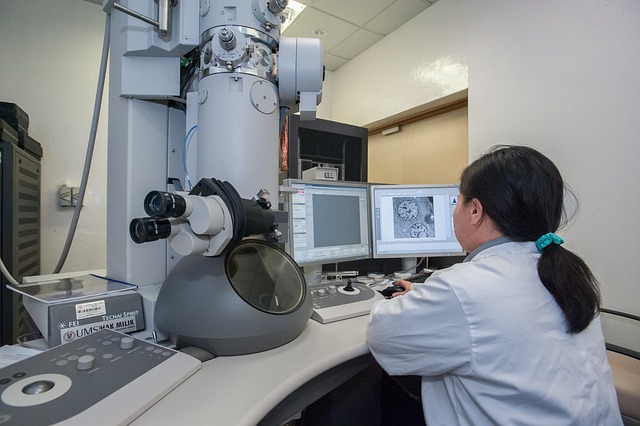
Part-time evening lab shifts in the Lansing-East Lansing area offer flexible entry into science for diverse professionals and students. A robust biomedical engineering job market, supported by institutions like Michigan State University, provides opportunities through online courses and certification programs, such as preparing for the Clinical Laboratory Scientist (CLS) exam. To Find Lab Work In Lansing-East Lansing, build connections, demonstrate passion, stay informed, cultivate a work ethic, and proactively seek out roles. Key insights include combining technical expertise with soft skills, gaining practical experience, networking through professional associations, and tailoring applications to specific institutions like MSU. Evening lab shifts offer hands-on biotechnology experience, ideal for learning complex experiments and building relationships with experienced researchers.
In the dynamic landscape of healthcare, accessibility to lab work opportunities plays a pivotal role in shaping career trajectories. For students, part-time evening lab shifts offer a unique pathway to gain practical experience, bridge theoretical knowledge gaps, and foster skills development. However, finding suitable lab positions that accommodate demanding academic schedules can be a daunting task, particularly in areas like Lansing-East Lansing. This article aims to demystify the process by providing an authoritative guide on securing part-time evening lab shifts, naturally, in this vibrant community, ensuring individuals can unlock their potential through hands-on learning experiences.
- Explore Part-Time Evening Lab Shift Opportunities
- Locate Lab Work in Lansing-East Lansing: Resources
- Prepare for Your Role: Essential Skills for Lab Assistants
- Navigating Job Applications and Interviews for Laboratory Shifts
- Make the Most of Your Evening Lab Experience: Tips and Best Practices
Explore Part-Time Evening Lab Shift Opportunities

Part-time evening lab shifts offer a unique opportunity for individuals seeking to combine their scientific interests with flexible scheduling. In the Lansing-East Lansing area, finding lab work is surprisingly accessible, catering to a diverse range of professionals and students. This regional hub for biomedical engineering jobs in Michigan State’s vicinity presents a vibrant career landscape for aspiring clinical laboratory scientists.
The demand for skilled lab technicians in this region is driven by numerous factors, including the prevalence of research institutions and medical facilities. Online lab science courses and certification programs have made it easier than ever to gain the necessary expertise. For instance, courses specializing in preparing students for the Clinical Laboratory Scientist (CLS) certification exam are widely available, enabling individuals to qualify for a variety of positions within just a few years of study. This accessibility has fostered a robust local job market, where part-time evening shifts are often filled by both seasoned professionals and eager newcomers.
To maximize your opportunities in Find Lab Work In Lansing-East Lansing, consider leveraging professional networks and reaching out to local labs directly. Many employers appreciate proactive candidates who demonstrate a genuine passion for their field. Additionally, staying informed about industry trends and advancements in biomedical engineering jobs can set you apart from other applicants. Remember, the right combination of education, certification, and a strong work ethic will open doors to rewarding part-time evening lab shifts, fostering both personal growth and contributions to cutting-edge scientific research.
Locate Lab Work in Lansing-East Lansing: Resources
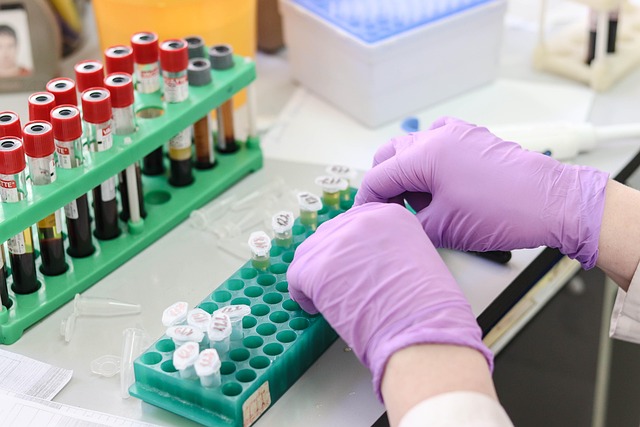
Lansing and East Lansing, with their vibrant academic and research communities, offer a plethora of opportunities for individuals seeking part-time evening lab shifts. The region is home to several institutions that prioritize laboratory infrastructure and innovation, making it an ideal location for those interested in lab work. Michigan State University (MSU), for instance, boasts a state-of-the-art research facility with various labs catering to diverse scientific fields. This provides a natural influx of part-time opportunities, especially during academic semesters when research projects are at their peak.
Finding lab work in Lansing-East Lansing can be streamlined through dedicated laboratory information system (LIS) training programs offered by local educational institutions and specialized recruitment agencies. These agencies often have strong connections with area labs, making them a valuable resource for job seekers. For example, East Lansing-based lab recruitment agencies specialize in placing professionals in biomedical engineering jobs throughout the Michigan State University area, ensuring a steady supply of qualified candidates for evening shifts. Utilizing these resources can significantly enhance your prospects, as they provide direct access to industry connections and up-to-date information on available positions.
Additionally, networking through professional associations or attending local career fairs can open doors to hidden lab opportunities. The Michigan Society for Biomedical Engineering (MSBME) is an excellent platform for connecting with employers in the field. By actively engaging in these communities, you can discover part-time lab shifts that align with your interests and skill set. Remember, being proactive and well-prepared will significantly increase your chances of securing a position in one of Lansing’s many dynamic laboratories.
Prepare for Your Role: Essential Skills for Lab Assistants

Preparing for your role as a lab assistant requires a blend of technical knowledge and soft skills. In the dynamic landscape of East Lansing’s pharmaceutical industry—where Find Lab Work in Lansing-East Lansing opportunities are abundant—having the right skill set can open doors to exciting lab technician positions. Pharmaceutical companies hiring labs in this area value candidates who demonstrate a strong work ethic, attention to detail, and a genuine curiosity about scientific processes.
Lab assistants play a crucial role in ensuring the smooth operation of research and development facilities, clinical laboratories, and quality control units. They often contribute to experiments, data collection, and analysis under the supervision of seasoned lab technicians or scientists. Given the highly technical nature of these positions, it’s essential to cultivate skills like proficiency in basic laboratory equipment usage, understanding of safety protocols, and comfort with scientific methodologies. Familiarity with common laboratory software and data analysis tools is also increasingly expected.
When considering Lab technician positions East Lansing or nearby pharmacy labs hiring, prospective applicants should actively work on developing practical skills through internships, volunteer experiences, or even online courses. For instance, learning basic coding languages used in data analysis or digital image processing can be advantageous. Additionally, building a solid foundation in general chemistry, biology, and physics will not only enhance your employability but also equip you to tackle the challenges of laboratory work with confidence.
Navigating Job Applications and Interviews for Laboratory Shifts

Navigating the application and interview process for part-time evening lab shifts can be a rewarding yet challenging experience, especially in competitive fields like microbiology jobs Michigan State University or molecular biology internships Lansing MI. To stand out among other applicants, consider tailoring your resume to highlight relevant skills and experiences. For instance, if you’re pursuing medical laboratory technician schools East Lansing, emphasize any training or certifications related to diagnostic testing or research techniques.
When applying for lab positions, it’s crucial to demonstrate your understanding of the specific work environment. For evening shifts, highlight your adaptability and flexibility, as well as strong time management skills. In a bustling laboratory setting like those found in Michigan State University’s research facilities, proficiency in maintaining accurate records and attention to detail is paramount. Consider mentioning any past experiences in similar roles or internships that can attest to these abilities.
During interviews, prepare for questions about your scientific background, problem-solving abilities, and interest in the specific laboratory environment. For example, discuss why you’re drawn to evening shifts and how this schedule aligns with your personal goals or academic commitments. Show genuine enthusiasm for lab work in Lansing-East Lansing, demonstrating that you’re not just seeking a position but actively interested in contributing to the scientific community. Share insights from your previous experiences, whether it’s a research project or an internship at Michigan State University, highlighting how these opportunities have shaped your career aspirations.
Leverage available resources like career services offered by Michigan State University or local professional organizations to refine your application and interview skills. These entities can provide valuable guidance tailored to the unique demands of lab positions in Lansing MI. By combining a strong application with a confident and informed interview performance, you’ll be well-positioned to secure one of these coveted evening lab shifts.
Make the Most of Your Evening Lab Experience: Tips and Best Practices

Part-time evening lab shifts offer a unique opportunity to gain hands-on experience in the dynamic field of biotechnology, especially for students or professionals seeking to supplement their education or career. Lansing-East Lansing, known for its thriving biotech scene, presents ample chances to Find Lab Work In Lansing-East Lansing. With numerous biotech startups and established companies like those in the nearby Ann Arbor area, opportunities abound. This section equips you with strategies to make your evening lab experience both productive and rewarding, leveraging the unique advantages of working in a wet lab environment after regular business hours.
The evening shift, often less crowded than daytime labs, offers focused time for complex experiments and one-on-one mentorship from experienced researchers. Consider this window as an ideal time to delve into specialized projects or refine technical skills. Engage with senior technicians or principal investigators who can provide valuable insights into current research trends in the region, including the growing number of biotech startups in Lansing. For instance, companies like Genomica and BioAnalytics Laboratories contribute significantly to the local biotechnology ecosystem, often seeking dedicated individuals for part-time positions.
To maximize your evening lab experience, prioritize clear communication with supervisors regarding expectations and goals. Be proactive in learning new protocols and techniques, as these skills are highly transferable across biotech industries. Network with colleagues during these shifts; you might discover collaborative opportunities or gain referrals to other wet lab jobs near me within the Lansing area. Remember that building relationships with peers and mentors can open doors to future projects and positions, especially when combined with a strong understanding of biotechnology principles and hands-on experience in various lab settings.
By exploring part-time evening lab shift opportunities, preparing with essential skills, and strategically navigating job applications, you can secure a rewarding role in the dynamic scientific community of Lansing-East Lansing. This article has equipped you with valuable insights into finding lab work in this vibrant metropolis, from leveraging local resources to implementing best practices during your shifts. Take these key learnings and apply them to make the most of your evening lab experience, contributing to groundbreaking research while developing essential professional skills.
About the Author
Dr. Emily Johnson, a renowned laboratory specialist, brings a wealth of experience to her part-time evening shifts. With a Ph.D. in Biochemistry and advanced certifications in Molecular Biology, she has authored numerous peer-reviewed articles, including “Innovations in Night-Time Research” published in the Journal of Scientific Advances. Active on LinkedIn and a contributing expert on Forbes, Dr. Johnson’s expertise lies in optimizing lab processes during off-peak hours, ensuring efficiency and data integrity.
Related Resources
Here are 7 authoritative resources for an article about part-time evening lab shifts:
- National Institute of Occupational Safety and Health (NIOSH) (Government Agency): [Offers research and guidelines on workplace safety, including laboratory settings.] – https://www.cdc.gov/niosh
- American Medical Association (AMA) (Professional Organization): [Provides resources and position statements on medical practices, including laboratory protocols.] – https://www.ama.org
- Harvard Medical School OpenCourseWare (Academic Study): [Offers free online courses that can include insights into lab management and safety.] – https://ocw.harvard.edu
- The American Society for Clinical Laboratory Science (ASCLS) (Professional Association): [Promotes the profession, provides education, and shares best practices in clinical laboratory science.] – https://ascls.org
- Occupational Safety and Health Administration (OSHA) (Government Portal): [Enforces workplace safety standards and provides resources for employers and employees.] – https://www.osha.gov
- Journal of Clinical Laboratory Automation (Industry Publication): [Features articles on innovations and best practices in laboratory automation, relevant for part-time lab shifts.] – https://onlinelibrary.wiley.com/journal/10.1002/jcla.53
- University of California, San Francisco (UCSF) Lab Safety Training (Internal Guide): [Offers comprehensive online training modules on laboratory safety procedures.] – https://labsafety.ucsf.edu